

Self Tapping Screws: Types, Uses & Selection Guide
Self Tapping Screws: Types, Uses & Selection Guide
- Jatin Banga
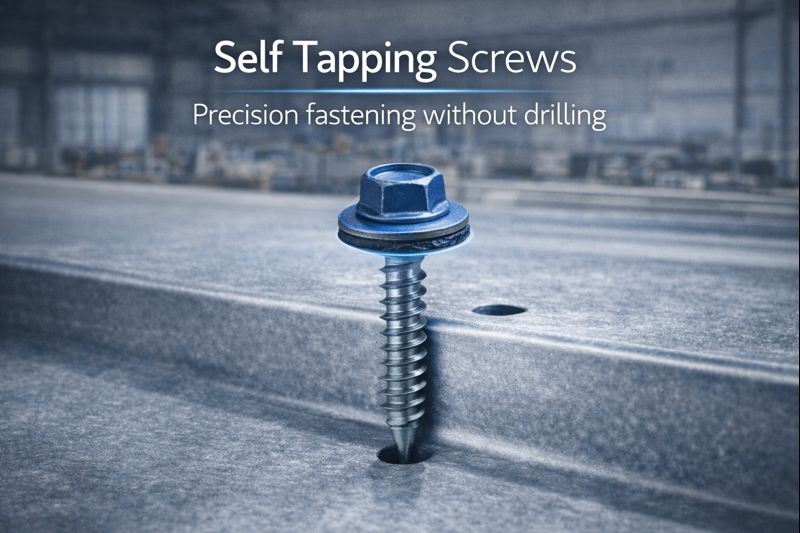
In construction and fabrication, not every application demands drilling through metal or concrete. Many connections rely on controlled thread formation rather than drilling power — and that’s exactly where self tapping screws play a critical role.
From light-gauge metal work to wood and board installations, self tapping screws offer precision fastening, reduced material damage, and better control during installation. Yet, they are often misunderstood, misused, or confused with self drilling screws.
This guide focuses only on self tapping screws — what they are, where they are used, and how to choose the right type based on material and application — without overlapping with comparisons already covered in our Self Drilling vs Self Tapping Screws guide.
What Are Self Tapping Screws?
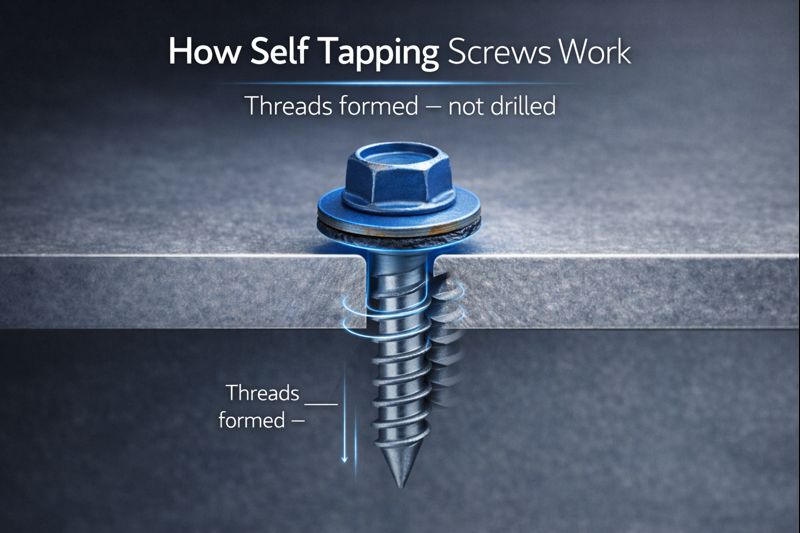
Self tapping screws are fasteners designed to form their own threads as they are driven into a pre-drilled pilot hole or soft material. Unlike self drilling screws, they do not have a drill-bit tip and therefore do not create the hole themselves.
Instead, their specially designed thread profile:
cuts into the material
forms mating threads
creates a tight mechanical grip
This makes self tapping screws ideal where:
material thickness is controlled
drilling accuracy is important
excessive heat or deformation must be avoided
They are commonly used in:
thin metal sheets
wood and plywood
boards and soft substrates
🔎 Key Characteristics of Self Tapping Screws
Require a pilot hole (except in soft wood/plastic)
Sharp or blunt point (not drill-shaped)
Designed for thread forming, not drilling
Provide cleaner fastening in delicate materials
Types of Self Tapping Screws Based on Application
Self tapping screws are not a one-size-fits-all solution. Their design, thread pattern, and head type vary depending on the material they are intended to fasten. Choosing the wrong type can lead to stripped threads, weak holding strength, or premature loosening.
Below are the most commonly used types of self tapping screws, classified by application rather than comparison.
🔩 1. Self Tapping Screws for Metal Sheets
These screws are designed for thin to medium gauge metal where a pilot hole is pre-drilled before installation.
Key features:
Fine, sharp threads for controlled thread forming
Strong grip without cracking or warping the sheet
Ideal for sheet-to-sheet or sheet-to-framework connections
Common applications:
HVAC ducting
Electrical panels
Light steel fabrication
Enclosures and cabinets
These screws are preferred where accuracy and clean fastening are more important than drilling speed.
🪵 2. Self Tapping Screws for Wood & Timber
Wood screws are the most familiar form of self tapping screws. They cut threads into wood fibers as they are driven, often without requiring a pilot hole in softer woods.
Key features:
Coarse thread design for strong pull-out resistance
Sharp point for easy penetration
Available in countersunk and pan head options
Common applications:
Wooden battens
Plywood boards
Timber frameworks
Furniture and interior fittings
For hardwood or dense timber, a pilot hole is recommended to prevent splitting.
🧱 3. Self Tapping Screws for Boards (Gypsum, Fiber Cement, Cement Boards)
These screws are used where controlled torque and clean thread formation are critical.
Key features:
Fine threads to avoid cracking boards
Countersunk heads for flush finishing
Often paired with washers or surface coatings
Common applications:
Fiber cement boards
Gypsum boards
Interior and exterior cladding panels
Correct pilot hole sizing is essential to ensure secure grip without damaging the board.
⚙️ 4. Self Tapping Screws for Plastic & Soft Materials
Plastics require a different thread geometry to prevent stress cracks.
Key features:
Wide thread spacing
Lower insertion torque
Designed to reduce material stress
Common applications:
Plastic enclosures
Cable trays
Electrical fittings
Using metal-specific screws in plastic often leads to material failure, which is why dedicated self tapping profiles matter.
🔎 Why Application-Based Selection Matters
Each material reacts differently to:
torque
heat
vibration
thread pressure
That’s why self tapping screws must be selected based on application, not convenience.
Where Self Tapping Screws Are Commonly Used
Self tapping screws are widely used across industries where speed, precision, and repeatability matter. Their ability to form threads inside the material makes them ideal for both controlled manufacturing and on-site installations.
Below are the most common real-world applications where self tapping screws are preferred.
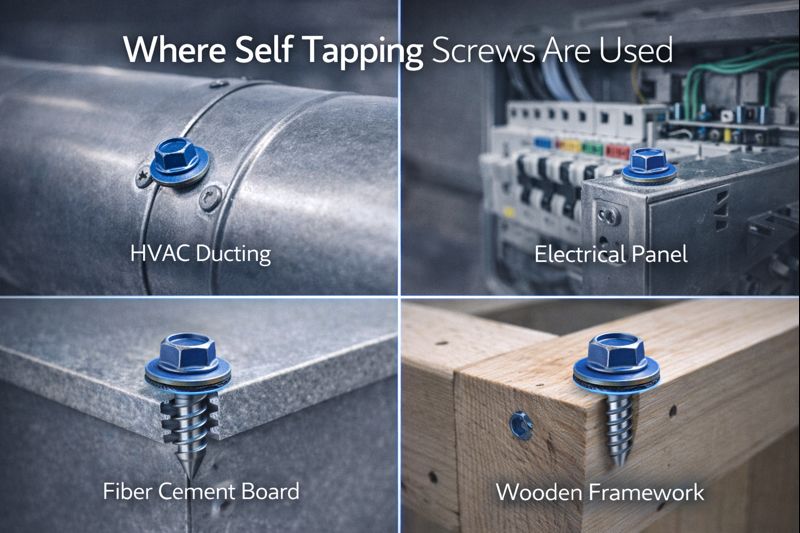
🏗️ 1. Metal Sheet Fabrication & Assembly
Self tapping screws are extensively used in thin gauge metal assemblies where pre-drilled holes ensure alignment and accuracy.
Typical use cases:
HVAC ducting systems
Electrical panels & enclosures
Light steel framing
Appliance housings
They allow clean fastening without deforming the sheet, which is critical for panel fitment and vibration resistance.
🪚 2. Wood & Interior Construction Works
In wood-based applications, self tapping screws provide strong pull-out resistance and faster installation compared to nails.
Typical use cases:
Wooden battens
Plywood and MDF boards
Interior partitions
Furniture fittings
For dense wood, pilot holes help maintain structural integrity and finish quality.
🧱 3. Board Fixing & Cladding Applications
Self tapping screws are commonly used for fiber cement boards, gypsum boards, and composite panels where controlled torque is essential.
Typical use cases:
Drywall systems
External and internal cladding
False ceilings
Prefabricated panels
Proper screw selection prevents edge cracking and surface damage.
⚙️ 4. Electrical, Plumbing & Utility Installations
These installations require fasteners that can be installed quickly, removed easily, and reinstalled if needed.
Typical use cases:
Cable trays
Junction boxes
Electrical conduits
Utility brackets
Self tapping screws simplify maintenance while ensuring secure holding.
🚗 5. Automotive & Industrial Equipment
In controlled production environments, self tapping screws support repeatable fastening with consistent torque.
Typical use cases:
Vehicle interiors
Sheet metal components
Industrial machinery covers
Equipment casings
Their predictability makes them ideal for assembly-line operations.
🔎 Key Takeaway
Self tapping screws are chosen not just for convenience, but for their ability to deliver controlled fastening across different materials and industries.
How to Choose the Right Self Tapping Screw
Choosing the correct self tapping screw is less about brand and more about matching the screw design to the application. A mismatch can lead to weak fastening, damaged materials, or long-term performance issues.
Below is a simple, decision-driven guide to help select the right self tapping screw.
🔍 Key Factors to Consider Before Selection
Before choosing a screw, always evaluate:
Material being fastened
Thickness of the material
Load and vibration exposure
Environmental conditions (indoor / outdoor)
Required finish (flush or exposed)
Self Tapping Screw Selection Guide
| Application Material | Recommended Thread Type | Head Type | Pilot Hole Required | Key Reason |
|---|---|---|---|---|
| Thin metal sheets | Fine, sharp threads | Pan / Wafer | Yes | Prevents sheet distortion |
| Wood & timber | Coarse threads | Countersunk | Optional | Strong pull-out strength |
| Fiber cement boards | Fine threads | Countersunk | Yes | Reduces cracking |
| Gypsum boards | Fine threads | Bugle / Countersunk | No | Clean surface finish |
| Plastic components | Wide spaced threads | Pan | Yes | Minimizes stress cracking |
⚙️ Other Critical Selection Parameters
1️⃣ Length Selection
The screw should penetrate the base material by at least 2–2.5× the top material thickness.
2️⃣ Coating & Finish
For outdoor or semi-exposed applications, corrosion protection becomes essential.
👉 You can internally link to:
“Why Screw Coating Matters More Than Sheet Thickness in Roofing Projects”
3️⃣ Head Type & Seating
Countersunk heads = flush finish
Pan or wafer heads = surface holding and load distribution
⚠️ Common Mistakes to Avoid
Using metal screws for boards
Skipping pilot holes where required
Over-tightening and crushing materials
Ignoring environment exposure
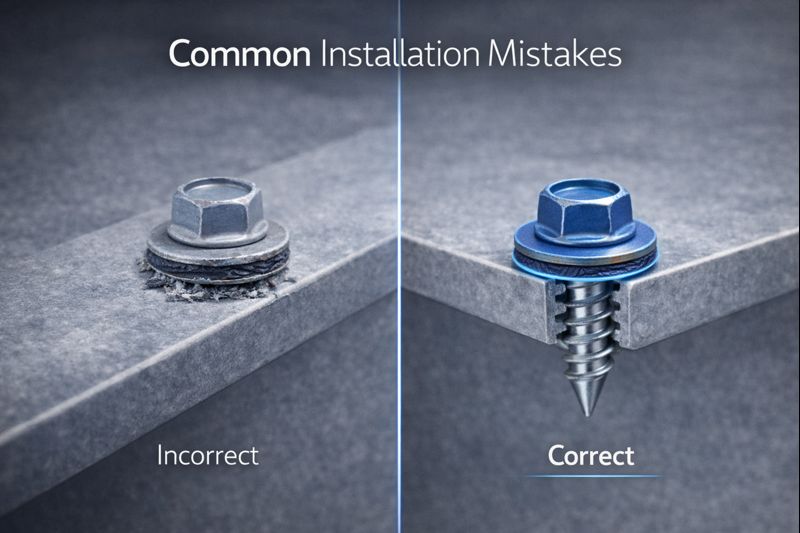
Common Installation Mistakes with Self Tapping Screws
Even the right self tapping screw can fail if it’s installed incorrectly. Many fastening issues are not product defects — they’re installation errors that show up months later as loosening, cracking, or leakage.
Below are the most common mistakes seen on sites and workshops.
❌ 1. Skipping Pilot Holes Where Required
Not all self tapping screws are designed to go directly into every material.
What goes wrong:
Material cracking (especially boards & plastics)
Misaligned threads
Excessive driving torque
Best practice:
Always drill pilot holes for dense boards, thick metals, and brittle materials.
❌ 2. Over-Tightening the Screw
Over-driving compresses the material beyond its design limit.
What goes wrong:
Crushed boards
Stripped threads
Reduced holding power
Best practice:
Stop tightening once the screw is seated firmly, not when the tool stalls.
❌ 3. Using the Wrong Screw for the Material
A metal-specific self tapping screw may work in wood — but not effectively.
What goes wrong:
Poor pull-out strength
Loose connections
Early failure under vibration
Best practice:
Match thread profile and tip design to the material.
❌ 4. Incorrect Screw Length Selection
Short screws reduce grip; excessively long screws damage the base layer.
What goes wrong:
Weak fastening
Panel movement
Surface distortion
Best practice:
Ensure minimum 2–2.5× penetration into the base material.
❌ 5. Ignoring Environmental Conditions
Indoor screws often fail when used outdoors.
What goes wrong:
Rust formation
Thread weakening
Fastener seizure
Best practice:
Select screws with appropriate corrosion-resistant coating based on exposure.
Self Tapping Screws vs Self Drilling Screws

While self tapping and self drilling screws are often confused, they are designed for different installation conditions.
Self tapping screws require a pre-drilled pilot hole and are ideal for applications where:
Material cracking must be minimized
Precise thread engagement is required
Controlled installation is preferred
Self drilling screws, on the other hand, feature a drill-point tip that eliminates the need for pilot holes and are commonly used in:
Metal-to-metal applications
Faster site installations
Thicker steel sections
The key difference lies in how the hole is created — not in holding strength alone.
👉 For a detailed technical breakdown, read:
Self Drilling vs Self Tapping Screws – What’s the Real Difference?
Roofix Self Tapping Screw Solutions
Roofix self tapping screws are engineered for consistent fastening across varied construction materials, where precision matters more than speed.
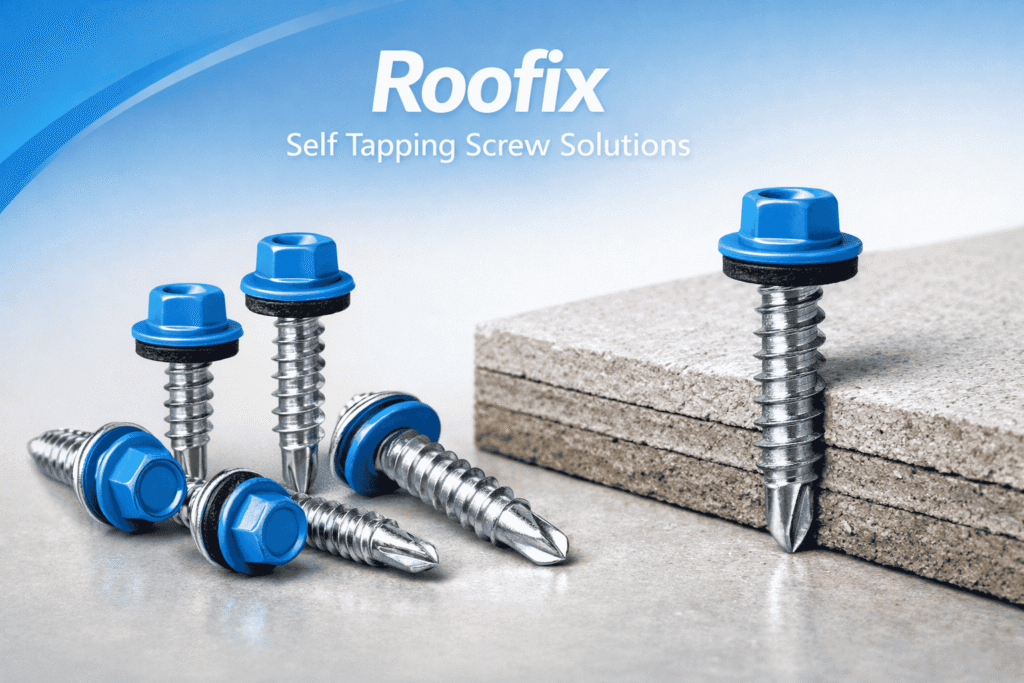
Instead of a one-size-fits-all approach, Roofix designs self tapping screws based on material behavior, load response, and long-term performance.
🔩 What Makes Roofix Self Tapping Screws Reliable
• Optimized thread profiles for clean tapping
• Controlled tip geometry for accurate hole engagement
• High-quality steel for uniform torque response
• Corrosion-resistant coatings suited for Indian site conditions
Each design focuses on reducing installation errors, improving holding strength, and extending service life.
🏗️ Where Roofix Self Tapping Screws Are Commonly Used
Fiber cement board fixing
Light gauge steel framing
Metal accessories & trims
Interior and semi-exposed applications
By aligning screw design with material properties, Roofix helps installers achieve secure fastening without damaging the base material.
🔗 Explore Roofix self tapping screw range: https://roofix.in/products/
Conclusion: Choosing the Right Self Tapping Screw
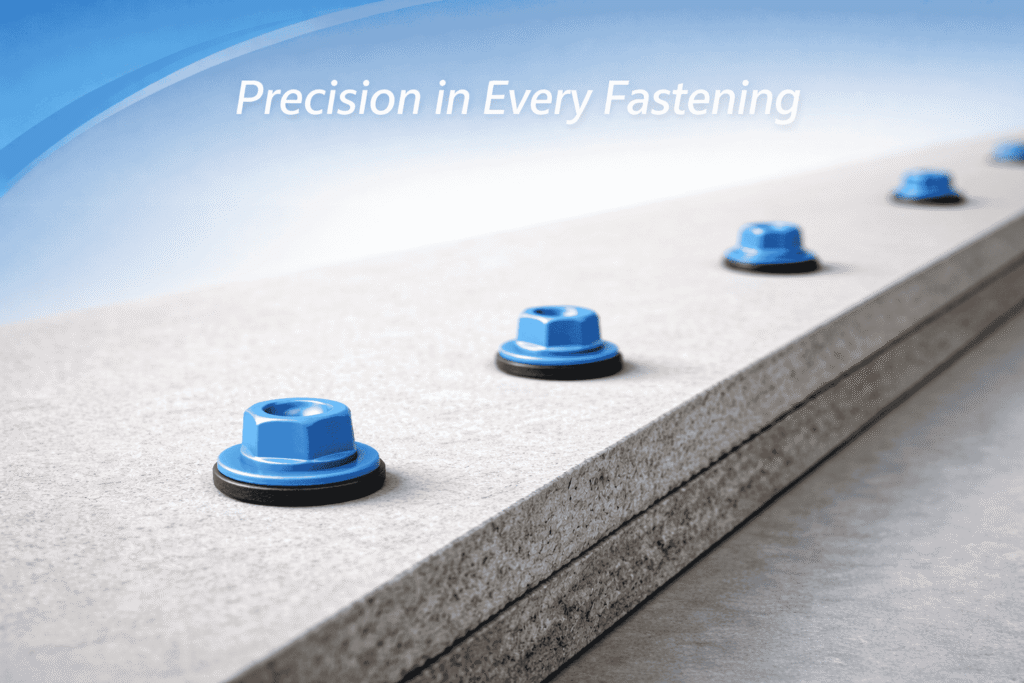
Self tapping screws may look simple, but their performance depends on correct selection, proper installation, and material compatibility.
From thread design to coating choice, every detail influences:
Holding strength
Material protection
Long-term durability
Choosing the right self tapping screw isn’t about speed — it’s about control and consistency.
For projects where precision matters and material damage cannot be risked, self tapping screws remain a dependable fastening solution when selected thoughtfully.
Roofix supports this approach by offering engineered self tapping screws designed for predictable performance across real-world site conditions.
Share on:
Recent posts
Hex Head Socket for Roofing Screws: What It…
Roofing Sealants Explained: Types, Uses & How to…

EPDM Washer in Roofing Screws: Why It Matters…
Get a free Estimate
Related Posts
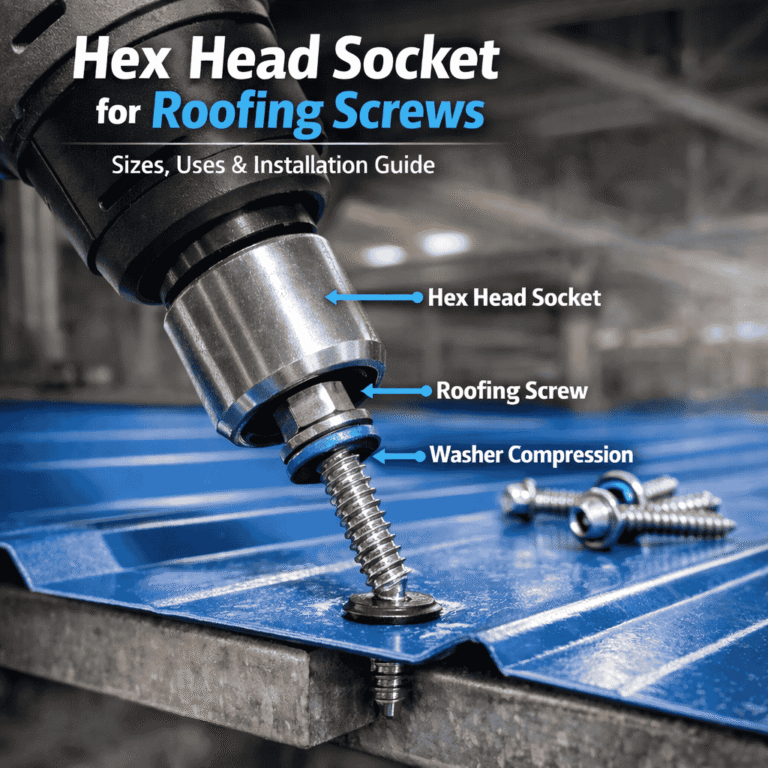
Hex Head Socket for Roofing Screws: What It Is…
Hex Head Socket for Roofing Screws: What It Is and Why Installers Use It Hex…
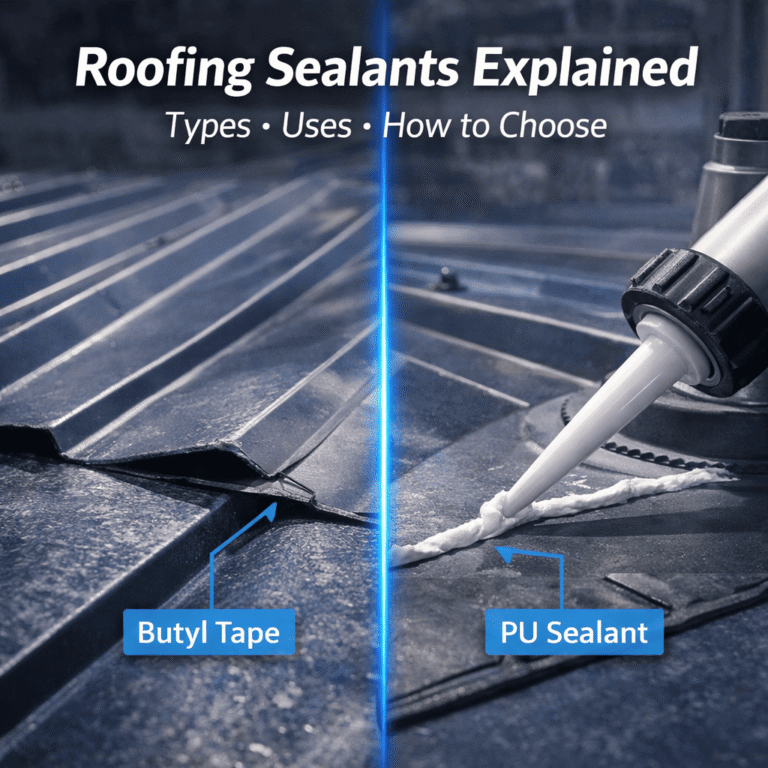
Roofing Sealants Explained: Types, Uses & How to Choose…
Roofing Sealants Explained: Types, Uses & How to Choose the Right One Roofing Sealants Explained:…

EPDM Washer in Roofing Screws: Why It Matters More…
EPDM Washer in Roofing Screws: Why It Matters More Than You Think EPDM Washer in…
