

Fiber Cement Board Screw Length & Thickness Guide (With Practical Use Cases)
Fiber Cement Board Screw Length & Thickness Guide (With Practical Use Cases)
- Roofix
Why Screw Length & Thickness Matter in Fiber Cement Board Fixing
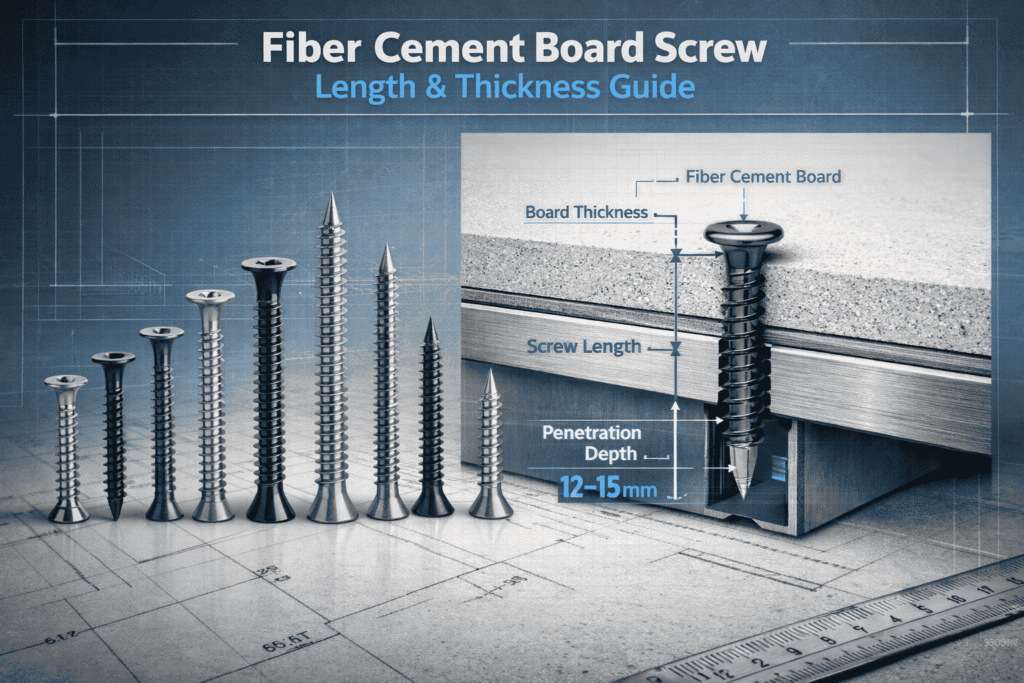
Fiber cement boards are dense, brittle, and far less forgiving than wood or metal sheets. While many installations fail due to poor handling or spacing, one of the most overlooked reasons is incorrect screw length and thickness.
Using a screw that’s too short often results in weak anchoring, leading to board movement, vibration noise, or premature loosening. On the other hand, an overly thick or aggressive screw can crack the board edges, especially during edge fixing or exterior installations.
For contractors, architects, and installers, selecting the right screw size isn’t just about fastening—it directly impacts:
Board stability over time
Crack prevention during installation
Load-bearing performance
Resistance to moisture, vibration, and thermal movement
This guide breaks down exact screw length and thickness recommendations based on board thickness, substrate type, and real-world installation scenarios—so your fiber cement installations remain strong, clean, and problem-free.
Understanding Fiber Cement Board Thickness & Substrate Types
Before selecting screw length or thickness, it’s important to understand what you’re fixing into. Fiber cement boards vary in thickness, and the supporting substrate plays an equally critical role in determining the right screw specification.
Common Fiber Cement Board Thicknesses
Fiber cement boards are typically available in:
6 mm – Used for interior partitions, ceilings, and low-load applications
8 mm – Suitable for semi-exterior walls and façade cladding
10–12 mm – Common for exterior walls, facades, and heavy-duty installations
As board thickness increases, the screw must penetrate deeper into the substrate to ensure adequate holding strength—without stressing the board surface.
Substrate Types & Their Impact on Screw Selection
The backing material behind the fiber cement board determines how much effective anchorage the screw needs.
Steel framing (light gauge or structural steel):
Requires self-drilling fiber cement board screws with enough drill-point capacity to penetrate metal while maintaining thread grip.Wooden battens or plywood:
Screws should have a balanced thread design to prevent stripping while offering strong pull-out resistance.Concrete or masonry (with plugs):
Longer screws are often required, but thickness control becomes critical to avoid board cracking.
Why This Combination Matters
Choosing screw length based only on board thickness—without accounting for the substrate—often leads to:
Loose boards over time
Excessive vibration and noise
Cracks around fixing points
Reduced life span of the installation
A well-matched combination of board thickness + substrate type ensures stable fixing, clean finishes, and long-term durability—especially in exterior and façade applications.
Recommended Screw Lengths for Fiber Cement Boards (Practical Use-Case Guide)
Recommended Screw Lengths for Fiber Cement Boards (Practical Use-Case Guide)
Selecting the correct screw length for fiber cement boards depends on two critical factors:
Board thickness
Substrate depth required for secure anchoring
As a rule of thumb, the screw should penetrate the substrate at least 25–30 mm (for wood) or fully through the metal framing to achieve proper holding strength—without stressing the board surface.
Recommended Screw Lengths by Application
| Board Thickness | Substrate Type | Recommended Screw Length | Typical Application |
|---|---|---|---|
| 6 mm | Steel frame (0.8–1 mm) | 25–32 mm | Interior partitions, ceilings |
| 6 mm | Wooden batten | 30–35 mm | Drywall replacements, interior wall linings |
| 8 mm | Steel frame | 32–38 mm | Semi-exterior walls, light façade cladding |
| 8 mm | Wooden batten | 35–45 mm | Commercial interiors, service walls |
| 10–12 mm | Steel frame | 38–50 mm | Exterior walls, façade panels |
| 10–12 mm | Wooden batten | 45–55 mm | Exterior cladding, high-load applications |
Note: Always maintain adequate edge distance and avoid over-tightening to prevent board cracking—especially in thicker boards.
Why These Lengths Work
Prevents board movement and vibration
Ensures consistent pull-out strength
Reduces risk of cracking during installation
Supports long-term performance in exterior conditions
Contractors who follow these length guidelines typically experience cleaner finishes, fewer callbacks, and longer-lasting installations.
How Screw Thickness Affects Holding Strength & Board Safety
While screw length ensures proper anchoring, screw thickness (diameter) plays a crucial role in how securely the fiber cement board is held—without causing surface damage or internal stress.
Fiber cement boards are strong but brittle. Using an incorrect screw diameter can either weaken the fixing or damage the board during installation.
Common Screw Thickness Options
For fiber cement board applications, screws generally fall into these diameter ranges:
3.5–3.9 mm: Light-duty interior applications
4.2–4.8 mm: Standard wall and façade installations
5.5 mm and above: Heavy-duty exterior and high-load zones
What Happens If Thickness Is Incorrect?
Too thin:
Leads to weak grip, board vibration, and loosening over time—especially on steel framing.Too thick:
Increases the risk of edge cracking, surface chipping, and stress fractures during tightening.
Balanced Thickness = Safe Fixing
A properly selected screw diameter:
Distributes load evenly across the board
Prevents pull-through and surface damage
Maintains clean, flush finishes
Improves long-term stability in exterior conditions
For most standard fiber cement board installations, a 4.2 mm to 4.8 mm screw diameter offers the best balance between holding strength and board safety—especially when combined with controlled torque during installation.
Interior vs Exterior Applications: What Changes in Screw Selection
Fiber cement boards are used in both interior and exterior environments—but the screw requirements change significantly depending on exposure conditions.
Using the same screw specification for both can lead to premature failures, especially outdoors.
Interior Applications
Interior installations are typically protected from moisture, UV exposure, and temperature fluctuations. Here, the primary focus is secure fixing without damaging the board.
Key screw considerations for interiors:
Moderate corrosion resistance
Controlled thread grip to avoid over-driving
Balanced diameter to prevent cracking
Clean, flush finish for paint-ready surfaces
Typical interior use cases include:
Partition walls
Ceiling panels
Service shafts
Decorative wall cladding
Exterior Applications
Exterior fiber cement board installations face rain, humidity, thermal movement, and wind loads. Screw selection must prioritize durability and long-term performance.
Key screw considerations for exteriors:
High corrosion-resistant coating
Strong thread design for long-term grip
Proper washer or head design to prevent water ingress
Compatibility with steel or treated wood substrates
Typical exterior use cases include:
Building façades
Exterior wall cladding
Industrial enclosures
Weather-exposed partitions
Why This Distinction Matters
Using interior-grade screws outdoors often results in:
Early corrosion
Loosening over time
Staining on board surfaces
Reduced structural integrity
Matching the screw specification to the environment ensures longer service life, fewer repairs, and better client satisfaction.
Common Mistakes Contractors Make (And How to Avoid Them)
Even experienced installers can face issues with fiber cement board installations when screw selection or installation practices are overlooked. Most failures don’t happen immediately—they show up months later as cracks, loose boards, or callbacks.
Here are some of the most common mistakes and how professionals avoid them:
1. Using Standard Drywall or Wood Screws
Fiber cement boards require specialized screws. Using generic screws often results in:
Poor grip in steel framing
Surface damage during tightening
Early corrosion in exterior areas
How to avoid it:
Always use screws designed specifically for fiber cement boards with appropriate drill points and coatings.
2. Incorrect Screw Spacing
Placing screws too far apart reduces load distribution, while spacing them too close increases stress around the board edges.
How to avoid it:
Follow manufacturer-recommended spacing and maintain consistent edge distances to prevent cracking.
3. Over-Tightening Screws
Over-driving screws can crush the board surface or create hairline fractures that worsen over time.
How to avoid it:
Use controlled torque settings and stop driving once the screw head sits flush with the board.
4. Ignoring Environmental Exposure
Using interior-grade screws for exterior installations leads to corrosion and staining on the board surface.
How to avoid it:
Match screw coatings and specifications to the installation environment.
5. Incorrect Screw Length Selection
Short screws fail to anchor properly, while excessively long screws stress the board unnecessarily.
How to avoid it:
Choose screw lengths based on board thickness and substrate type—not guesswork.
Why Professionals Choose Roofix for Fiber Cement Board Screws
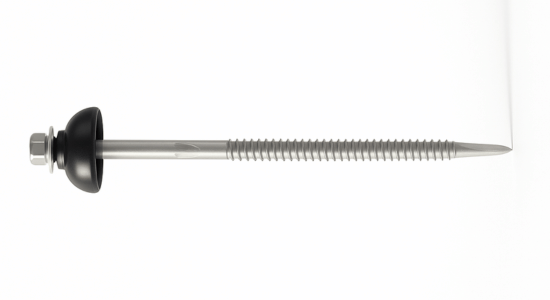
When working with fiber cement boards, consistency and reliability matter as much as correct installation. Professionals prefer fasteners that deliver predictable performance across different board thicknesses, substrates, and site conditions.
Fiber cement board screws from Roofix are designed keeping real on-site challenges in mind—where boards are dense, margins are tight, and long-term durability is critical.
What Sets Roofix Fiber Cement Board Screws Apart
Optimized drill-point geometry
Enables smooth penetration through fiber cement boards and steel framing without excessive pressure, reducing edge damage and cracking.Balanced thread design
Provides strong holding strength while minimizing stress on the board surface—ideal for both interior and exterior installations.Corrosion-resistant coating
Supports long-term performance in moisture-prone and semi-exposed environments, helping prevent rust stains and premature failures.Consistent dimensional accuracy
Ensures uniform screw length and thickness across batches, allowing installers to maintain consistent fixing quality on large projects.Compatibility across applications
Suitable for partitions, façade cladding, and external wall systems where fiber cement boards are commonly used.
Designed for Practical Installation
Rather than focusing on just specifications, Roofix fasteners are developed to support:
Faster installation with fewer errors
Cleaner surface finishes
Reduced callbacks and maintenance issues
For contractors, fabricators, and project managers, this translates into better workmanship, improved project reliability, and confidence on every site.
Conclusion: Choosing the Right Screw for Long-Lasting Installations
Fiber cement board installations demand more precision than most contractors realize. The right screw length and thickness directly influence structural stability, surface finish, and long-term performance—especially in exterior and high-load applications.
By matching screw specifications to:
Board thickness
Substrate type
Installation environment
installers can significantly reduce cracking, loosening, and premature failures.
Instead of relying on generic fasteners or guesswork, professionals who follow proper screw selection guidelines achieve cleaner installations, fewer callbacks, and longer service life for fiber cement boards.
Whether you’re working on interior partitions or exterior façade systems, choosing the correct fiber cement board screw isn’t just a technical decision—it’s a quality commitment that reflects on the durability of the entire project.
Share on:
Get a free Estimate
Recent posts
Hex Head Socket for Roofing Screws: What It…
Roofing Sealants Explained: Types, Uses & How to…

EPDM Washer in Roofing Screws: Why It Matters…
Related Posts
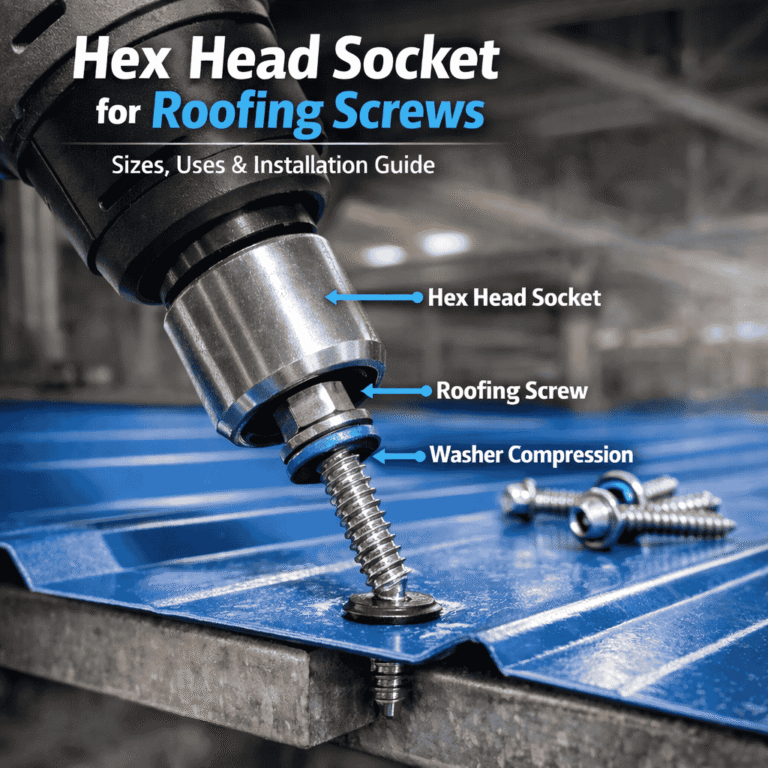
Hex Head Socket for Roofing Screws: What It Is…
Hex Head Socket for Roofing Screws: What It Is and Why Installers Use It Hex…
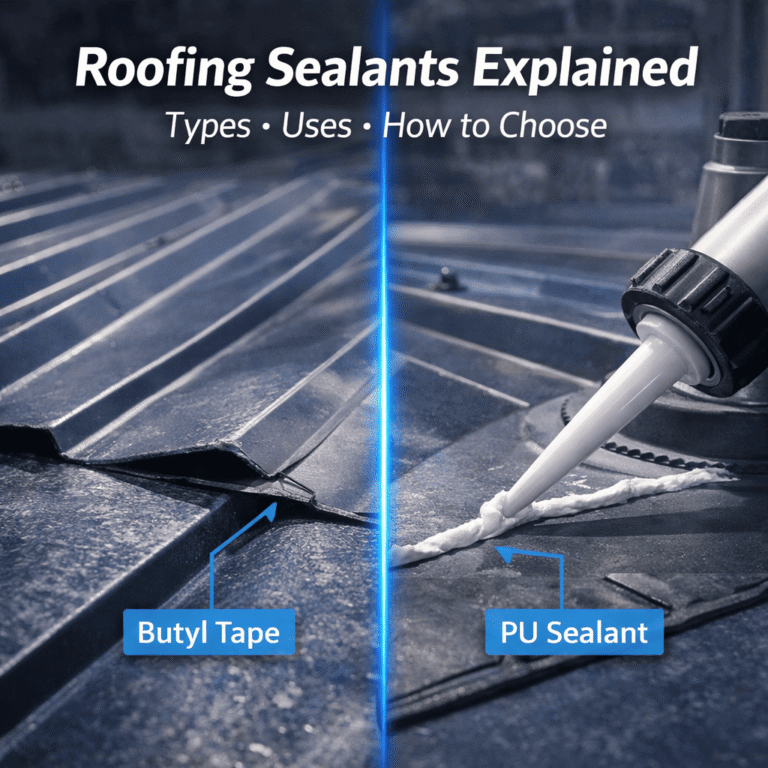
Roofing Sealants Explained: Types, Uses & How to Choose…
Roofing Sealants Explained: Types, Uses & How to Choose the Right One Roofing Sealants Explained:…

EPDM Washer in Roofing Screws: Why It Matters More…
EPDM Washer in Roofing Screws: Why It Matters More Than You Think EPDM Washer in…
