 Skip to main content
Hex Head Socket for Roofing Screws: What It Is and Why Installers Use It
Hex Head Socket for Roofing Screws: What It Is and Why Installers Use It
- Jatin Banga
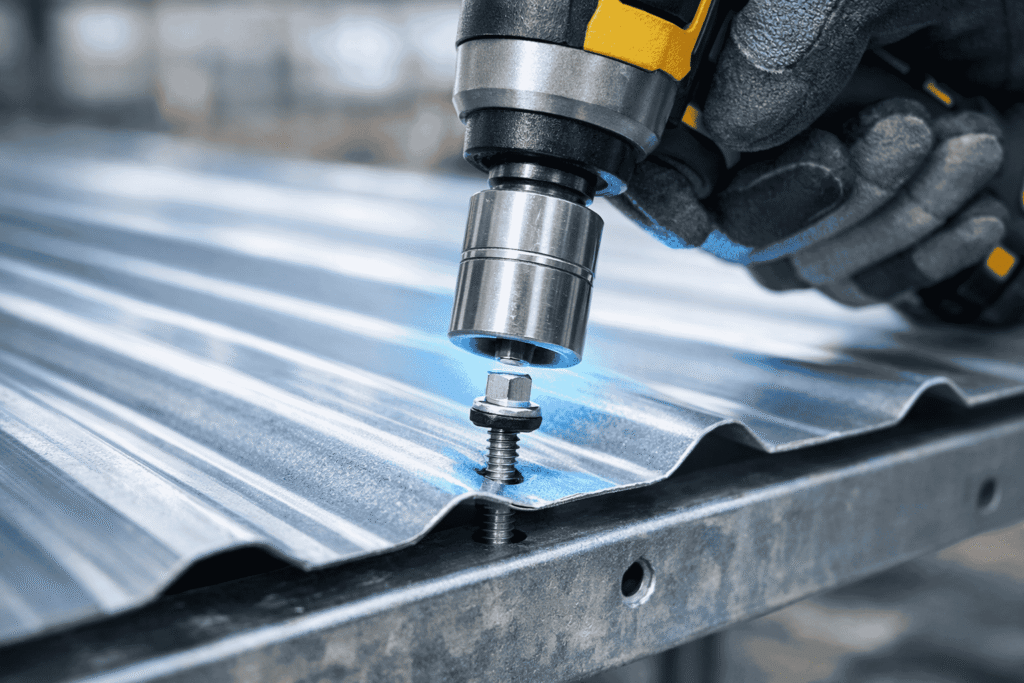
In metal roofing installation, the quality of the fastening system depends not only on the screws being used but also on the tools that drive them into place. Roofing screws are designed to create secure connections between metal sheets and structural supports, and proper installation plays a major role in achieving reliable sealing and long-term durability.
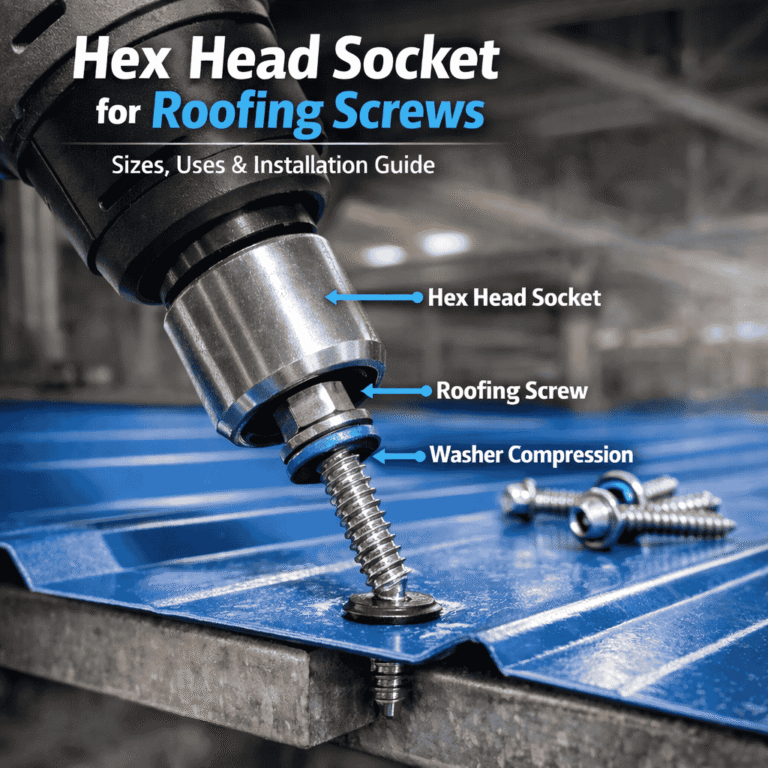
Among the tools commonly used by roofing contractors, the hex head socket is considered essential for installing hex head roofing screws. This tool attaches to drill machines and allows installers to drive screws with better grip, improved control, and consistent pressure.
Unlike standard drill bits, hex head sockets are specifically designed to match the head shape of roofing screws. This helps reduce slippage during installation and ensures that the washer compresses properly against the roofing sheet. As a result, installers can work faster while maintaining the correct fastening pressure across multiple fixing points.
Because roofing systems often involve hundreds or even thousands of screws, using the right installation tool becomes critical for maintaining consistent performance across the entire roof.
What Is a Hex Head Socket?
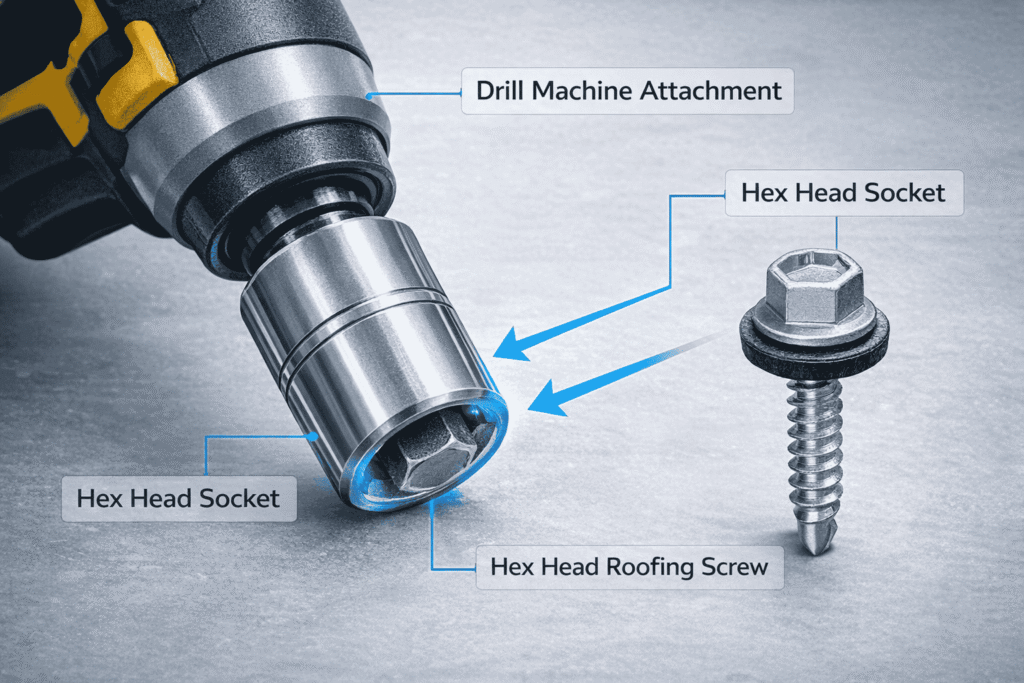
A hex head socket is a fastening tool attachment used with power drills or impact drivers to install screws that have a hexagonal head. Instead of gripping the screw from the top like a standard screwdriver bit, the socket fits around the six-sided head of the screw, allowing the drill to apply torque more evenly.
In roofing applications, hex head sockets are commonly used to drive hex head roofing screws into metal sheets, steel purlins, or other structural substrates. The socket connects directly to the drill machine and securely holds the screw head during installation, reducing the chances of slipping or damaging the fastener.
These sockets are sometimes referred to as nut driver sockets, especially in construction and mechanical installation work. They are designed to match the exact dimensions of hex head screws, ensuring a tight fit and efficient power transfer from the drill to the screw.
Because roofing projects often require the installation of hundreds of screws in a short time, hex head sockets help installers maintain speed, accuracy, and consistency during the fastening process.
Why Roofing Screws Use Hex Head Design
Roofing screws are designed to create strong and reliable connections between roofing sheets and structural supports. One of the most noticeable features of these screws is their hexagonal head design, which is specifically chosen to improve installation performance.
Unlike flat or Phillips head screws, hex head screws allow installers to apply higher torque with better control during installation. This is particularly important in roofing applications where screws must penetrate metal sheets and sometimes steel purlins while maintaining proper sealing pressure on the washer.
The hex head design works together with a hex head socket to create a stable driving connection, reducing the chances of the drill slipping during installation.
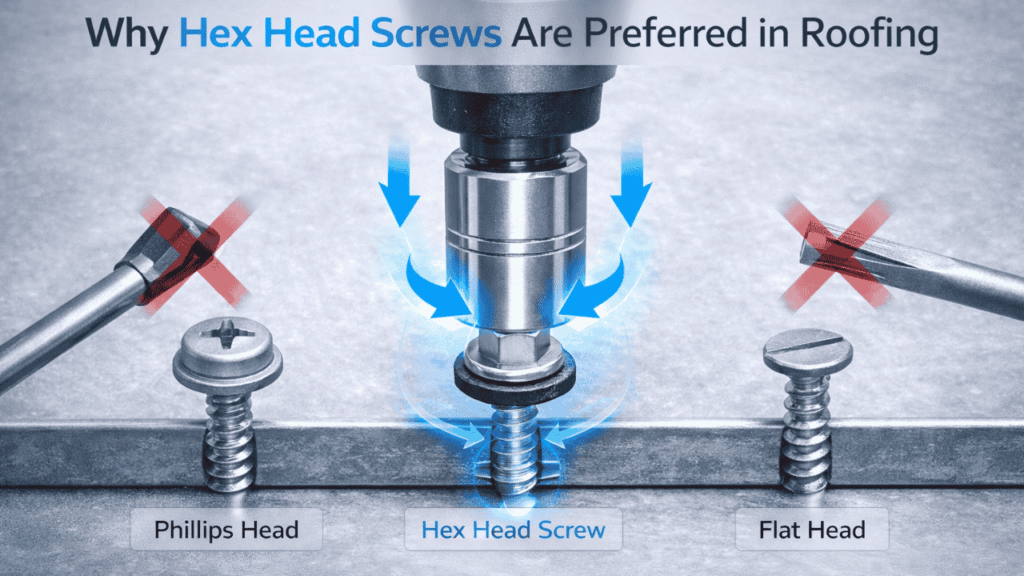
Some of the key advantages of hex head roofing screws include:
• Stronger grip for the driving tool
The hex shape allows the socket to fully surround the screw head, providing a firm grip during drilling.
• Better torque transfer
Installers can apply higher driving force without damaging the screw head.
• Reduced slippage during installation
The socket holds the screw securely, which helps maintain alignment while driving the screw into the roofing sheet.
• Faster installation on large roofing projects
Roofing contractors often install hundreds of screws, and hex heads allow quicker and more efficient driving.
• Improved control over washer compression
A stable driving connection helps ensure the washer compresses evenly against the roofing sheet.
Because of these advantages, hex head screws are widely used in metal roofing, cladding systems, and industrial construction projects, where installation speed and fastening reliability are both critical.
How a Hex Head Socket Helps in Roofing Screw Installation
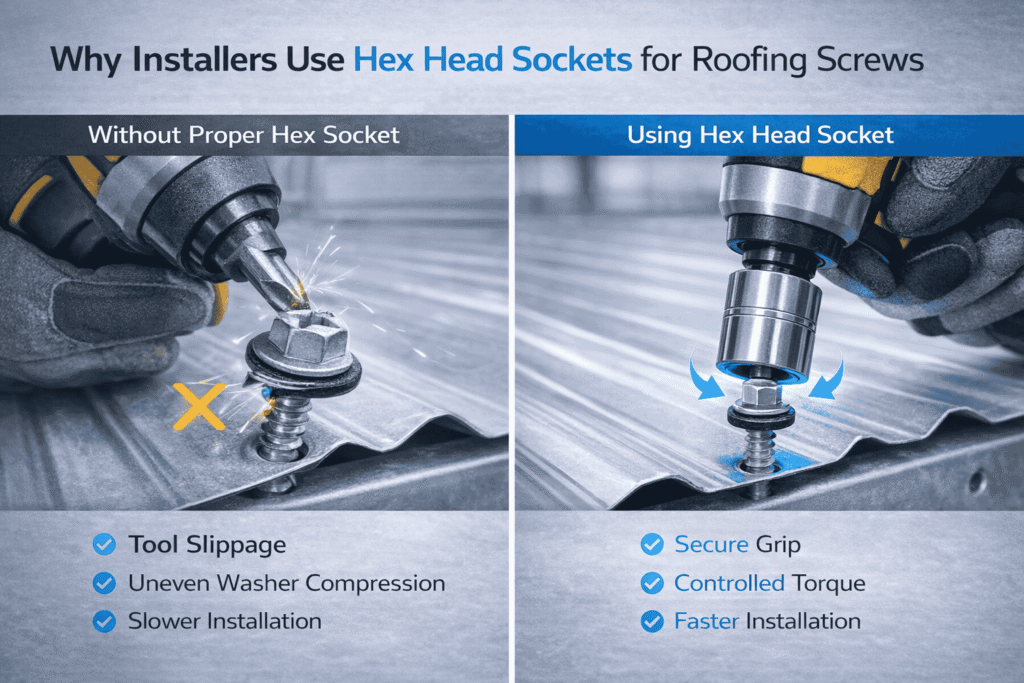
Installing roofing screws requires both speed and precision, especially on large roofing projects where hundreds or even thousands of fasteners must be installed. A hex head socket helps installers maintain control during the fastening process and ensures the screw performs as intended.
Because the socket fully surrounds the screw head, it allows the drill to transfer power more efficiently while keeping the screw stable during installation.
Below are some of the key ways a hex head socket improves roofing screw installation.
1. Better Grip During Installation
One of the main advantages of a hex head socket is the secure grip it provides on the screw head.
Unlike flat or cross-head bits, the socket fits tightly around the hex head, reducing movement while the drill is rotating.
Benefits include:
• better alignment of the screw during drilling
• reduced chances of tool slippage
• less damage to the screw head
This secure grip helps installers maintain consistent fastening across multiple screws.
2. Faster Installation on Roofing Projects
Roofing contractors often work under tight schedules, especially on large industrial or commercial projects.
A hex head socket helps increase installation speed because:
• screws stay aligned with the drill
• installers can drive screws smoothly without repositioning the tool
• less time is spent correcting misaligned fasteners
As a result, installers can complete roofing fastener installation more efficiently without compromising quality.
3. Consistent Washer Compression
Roofing screws usually include EPDM washers that help seal the penetration point and prevent water from entering the roof.
A hex head socket helps installers apply controlled pressure, ensuring that the washer compresses evenly against the roofing sheet.
Correct washer compression helps achieve:
• reliable waterproof sealing
• uniform fastening across the roof
• reduced risk of leaks at fixing points
4. Reduced Risk of Screw Head Damage
When the wrong tool is used, the screw head can become damaged during installation.
A properly fitted hex head socket minimizes this risk because it distributes the driving force evenly across the screw head.
This helps prevent:
• stripped screw heads
• installation interruptions
• difficulty removing or replacing screws later
Quick Comparison: Installation With and Without a Hex Head Socket
| Installation Factor | With Hex Head Socket | Without Proper Socket |
|---|---|---|
| Tool Grip | Firm and stable | Higher risk of slipping |
| Installation Speed | Faster and smoother | Slower due to adjustments |
| Washer Compression | More controlled | Uneven pressure possible |
| Screw Head Condition | Minimal damage | Risk of stripping |
| Installation Consistency | High | Inconsistent results |
Overall, using a hex head socket helps roofing contractors achieve more reliable and consistent fastener installation, especially on projects involving large numbers of screws.
Common Sizes of Hex Head Sockets Used for Roofing Screws
Hex head sockets are available in different sizes to match the head dimensions of various screws. In roofing applications, selecting the correct socket size is important because it ensures the tool fits securely on the screw head during installation.
If the socket is too large, it may slip while driving the screw. If it is too small, it will not fit properly on the hex head. Using the correct size helps installers maintain better control, faster installation, and consistent fastening quality.
For most metal roofing screws used in industrial and commercial projects, a few socket sizes are commonly used.
Common Hex Head Socket Sizes for Roofing Screws
| Socket Size | Typical Screw Head Size | Common Roofing Applications |
|---|---|---|
| 5/16 inch | Standard roofing screw heads | Metal roofing sheets, cladding installation |
| 3/8 inch | Larger structural screws | Heavy-duty roofing and steel connections |
Why Choosing the Correct Socket Size Matters
Using the right hex head socket size helps ensure smooth and reliable installation.
Key advantages include:
• Proper grip on the screw head
The socket fits tightly, preventing slipping during drilling.
• Improved torque transfer
The drill applies power efficiently to drive the screw into metal sheets or purlins.
• Reduced damage to screw heads
Correct sizing prevents rounding or stripping of the hex head.
• More consistent installation results
Installers can maintain uniform fastening across multiple screws.
In most roofing installations, contractors keep 5/16 inch hex sockets readily available because they are widely used for standard roofing screws. However, it is always recommended to check the screw head specification before selecting the socket size.
Using the correct combination of roofing screw and hex head socket helps ensure that fastening points remain secure and perform reliably over time.
Magnetic Hex Head Sockets: Why Installers Prefer Them
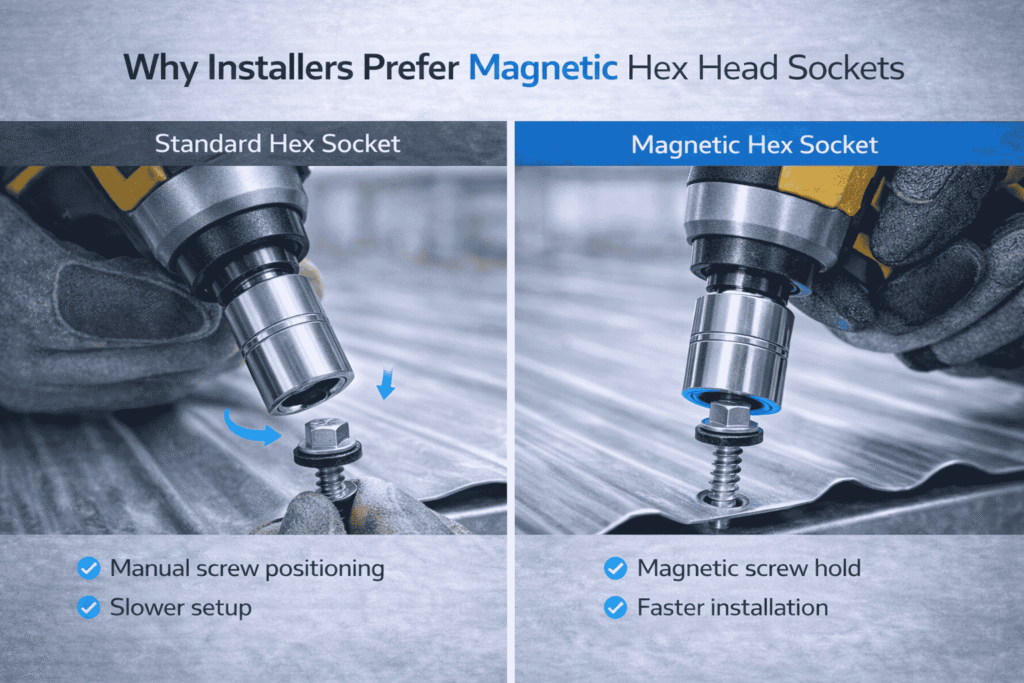
Magnetic hex head sockets are a popular choice among roofing contractors because they make screw installation easier, faster, and more controlled. These sockets contain a small magnet inside the tip that helps hold the screw in place before and during installation.
This feature is particularly useful when working on roofs where installers often need to position screws accurately while handling power tools. The magnetic hold keeps the screw aligned with the socket, reducing the chances of the screw falling or shifting during drilling.
Because roofing projects involve installing large numbers of fasteners, even small improvements in tool efficiency can significantly impact installation speed and consistency.
Advantages of Magnetic Hex Head Sockets
Magnetic sockets offer several practical benefits for roofing screw installation:
• Holds the screw securely before drilling
The magnet keeps the screw attached to the socket, making it easier to position the fastener.
• Reduces dropped screws during installation
This is especially useful when working at height on metal roofs.
• Improves installation speed
Installers can quickly place and drive screws without manually holding each one.
• Better control during screw alignment
The screw stays centered in the socket while the drill starts rotating.
• Convenient for large roofing projects
Helps maintain workflow efficiency when installing hundreds of screws.
Standard vs Magnetic Hex Head Sockets
| Feature | Standard Hex Socket | Magnetic Hex Socket |
|---|---|---|
| Screw Holding | Screw must be held manually | Magnet holds screw in place |
| Ease of Alignment | Moderate | Easier alignment |
| Installation Speed | Normal | Faster installation |
| Risk of Dropping Screws | Higher | Lower |
Because of these advantages, magnetic hex sockets are widely used by contractors installing metal roofing sheets, cladding systems, and industrial roofing fasteners. They help improve both installation efficiency and fastening accuracy, especially on large roofing surfaces.
Tips for Using Hex Head Sockets for Roofing Screw Installation
Using a hex head socket correctly helps ensure that roofing screws are installed securely and that the fastening points perform as expected. Even though the tool itself is simple, following a few practical installation practices can improve fastening accuracy and reduce common installation issues.
Roofing contractors often work across large roof areas, installing hundreds of screws in different conditions. Maintaining proper tool handling helps ensure consistent fastening quality across the entire roof.
Below are some useful tips for using hex head sockets effectively during roofing screw installation.
Best Practices for Using Hex Head Sockets
• Choose the correct socket size
Always match the socket size with the screw head. A properly fitted socket ensures a firm grip and prevents slippage during drilling.
• Maintain a straight drilling angle
Hold the drill perpendicular to the roofing sheet so that the screw enters the material evenly and the washer compresses properly.
• Avoid overtightening the screw
Excessive torque can deform the washer and reduce its sealing ability. The washer should compress evenly without being crushed.
• Inspect the socket regularly
Over time, sockets may wear out or accumulate debris. Regular inspection helps maintain a secure fit on the screw head.
• Use magnetic sockets for easier handling
Magnetic hex sockets can help hold screws in place, especially when working at height or installing fasteners quickly across large roofing areas.
Quick Installation Checklist
| Installation Step | What to Check |
|---|---|
| Socket Selection | Confirm correct socket size for the screw |
| Drill Position | Keep the drill straight during installation |
| Washer Compression | Ensure washer is compressed but not crushed |
| Tool Condition | Inspect socket for wear or damage |
| Screw Alignment | Make sure screw enters the sheet correctly |
Following these simple practices can help contractors achieve consistent fastening performance, reduce installation errors, and maintain proper sealing at each screw location.
Conclusion
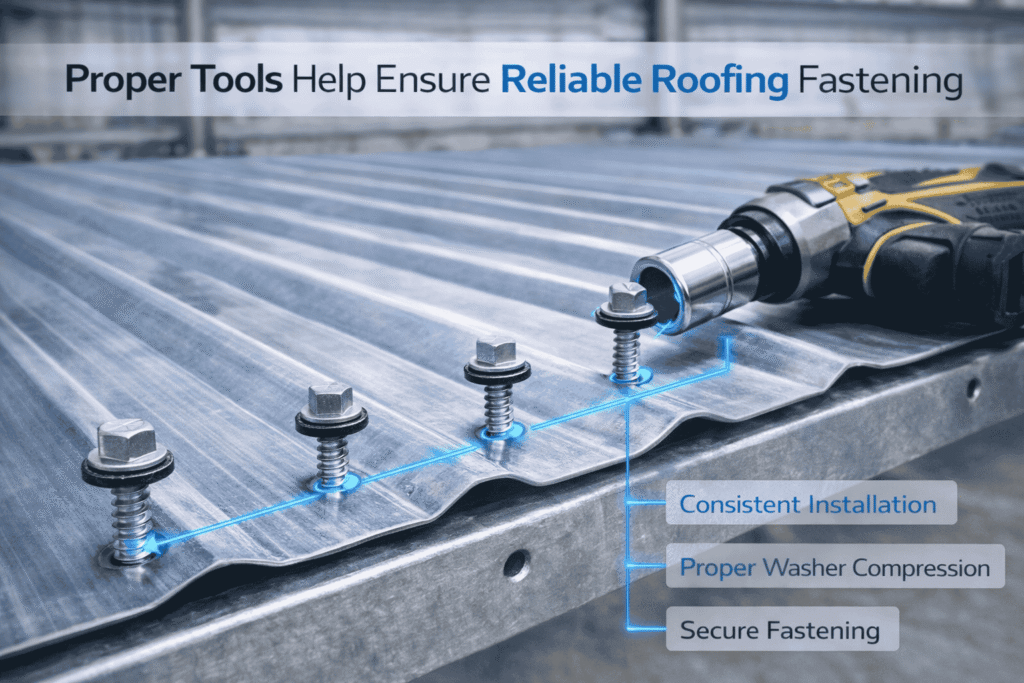
In metal roofing installations, the performance of the fastening system depends not only on the quality of the screws but also on the tools used during installation. A hex head socket plays an important role in ensuring that roofing screws are installed with proper grip, alignment, and torque control.
By securely fitting around the hex head of the screw, the socket allows installers to drive fasteners more efficiently while maintaining consistent washer compression and fastening pressure. This helps reduce installation errors, protect the screw head from damage, and support reliable sealing at each fixing point.
On roofing projects where hundreds or thousands of screws are installed, using the correct socket size and maintaining proper installation techniques can significantly improve both installation efficiency and long-term roof performance.
Choosing the right combination of roofing screws, washers, and installation tools helps ensure that roofing systems remain secure, durable, and resistant to common fastening problems over time.
Share on:
Recent posts
Hex Head Socket for Roofing Screws: What It…
Roofing Sealants Explained: Types, Uses & How to…

EPDM Washer in Roofing Screws: Why It Matters…
Get a free Estimate
Related Posts
Hex Head Socket for Roofing Screws: What It Is…
Hex Head Socket for Roofing Screws: What It Is and Why Installers Use It Hex…
Roofing Sealants Explained: Types, Uses & How to Choose…
Roofing Sealants Explained: Types, Uses & How to Choose the Right One Roofing Sealants Explained:…
EPDM Washer in Roofing Screws: Why It Matters More…
EPDM Washer in Roofing Screws: Why It Matters More Than You Think EPDM Washer in…
